
"Help - I Need A Human!"
This week, we received an email from an agency producer saying their creative team had been using AI for some scamps, and that it was "awful" and upsetting the client. It ended with "I need a human".
This is not the first time we have been asked to put right something AI had done wrong.
What we’re seeing more and more is a team generating a set of frames that look fantastic - for about four minutes. Then someone notices the main character has aged twenty years between shot three and shot four. The pack has grown an extra letter. The kitchen has a window that was never in the script and a hand with a surprising number of thumbs.
Then the client sees it, and because the images look so polished, they assume they're looking at the finished thing. Suddenly the questions are about casting, locations and whether that's really what the product looks like, when the only thing anyone was meant to be looking at was the idea.
Then comes the feedback. "Can we just change mum's jumper?" Well, with a fully generated workflow, changing the jumper means regenerating the image and hoping for the best. It rarely goes well, and now the mum has a different face, too. Eek.
That’s when we get an email or call that ends with "I need a human."
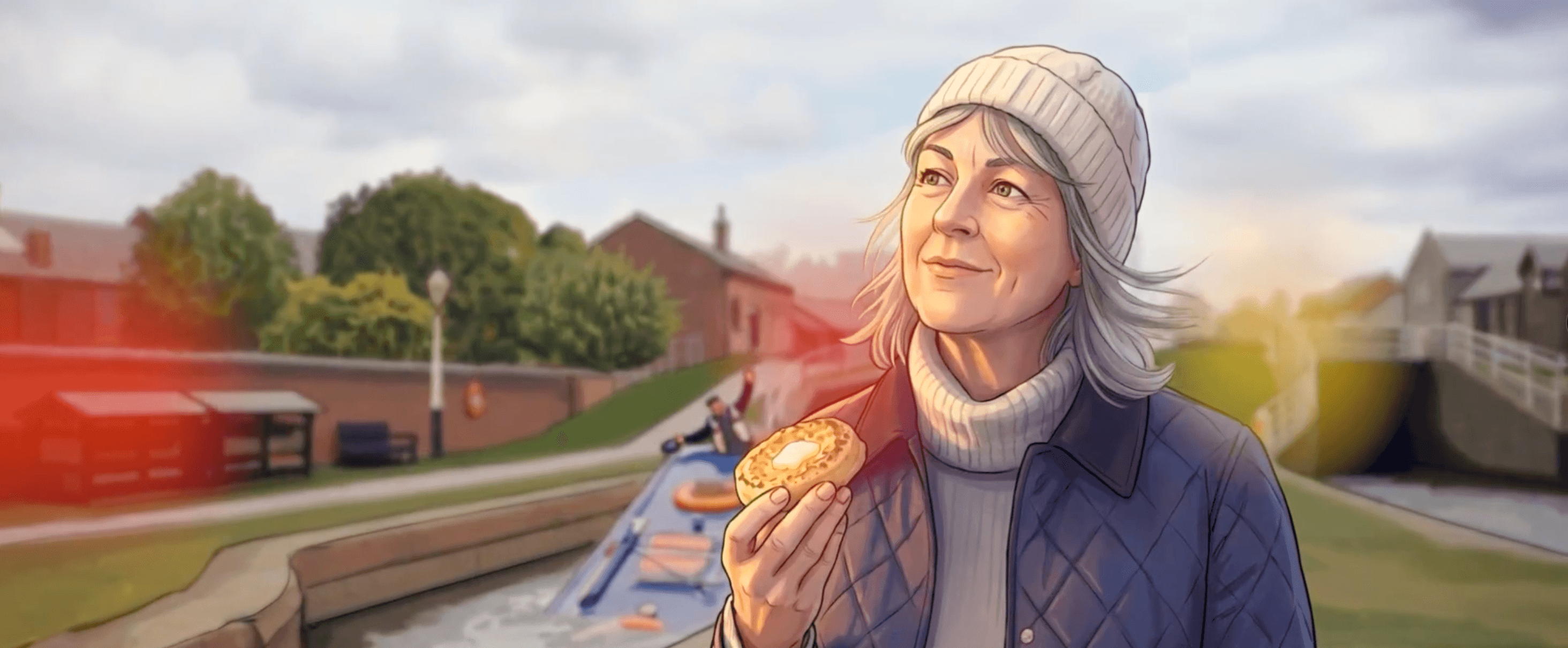
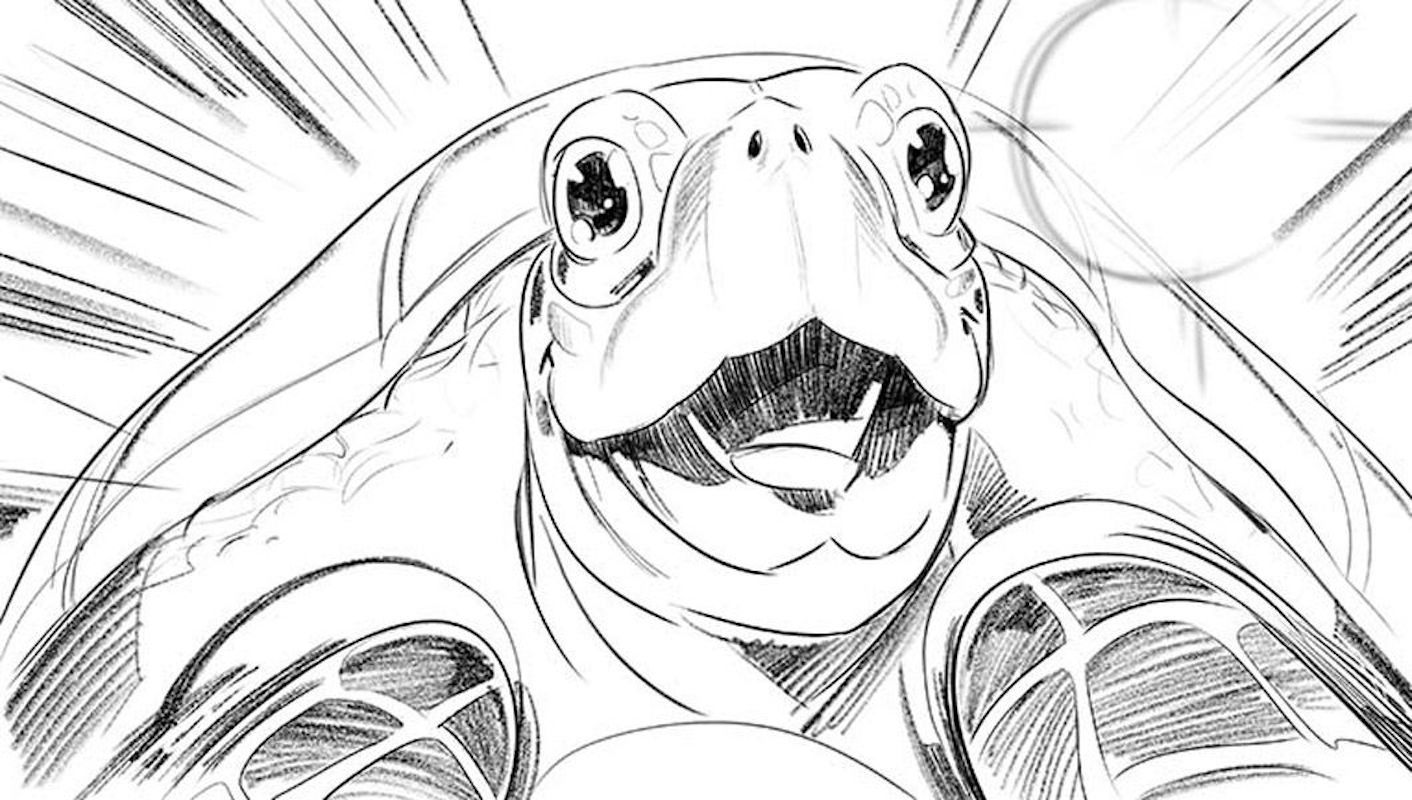
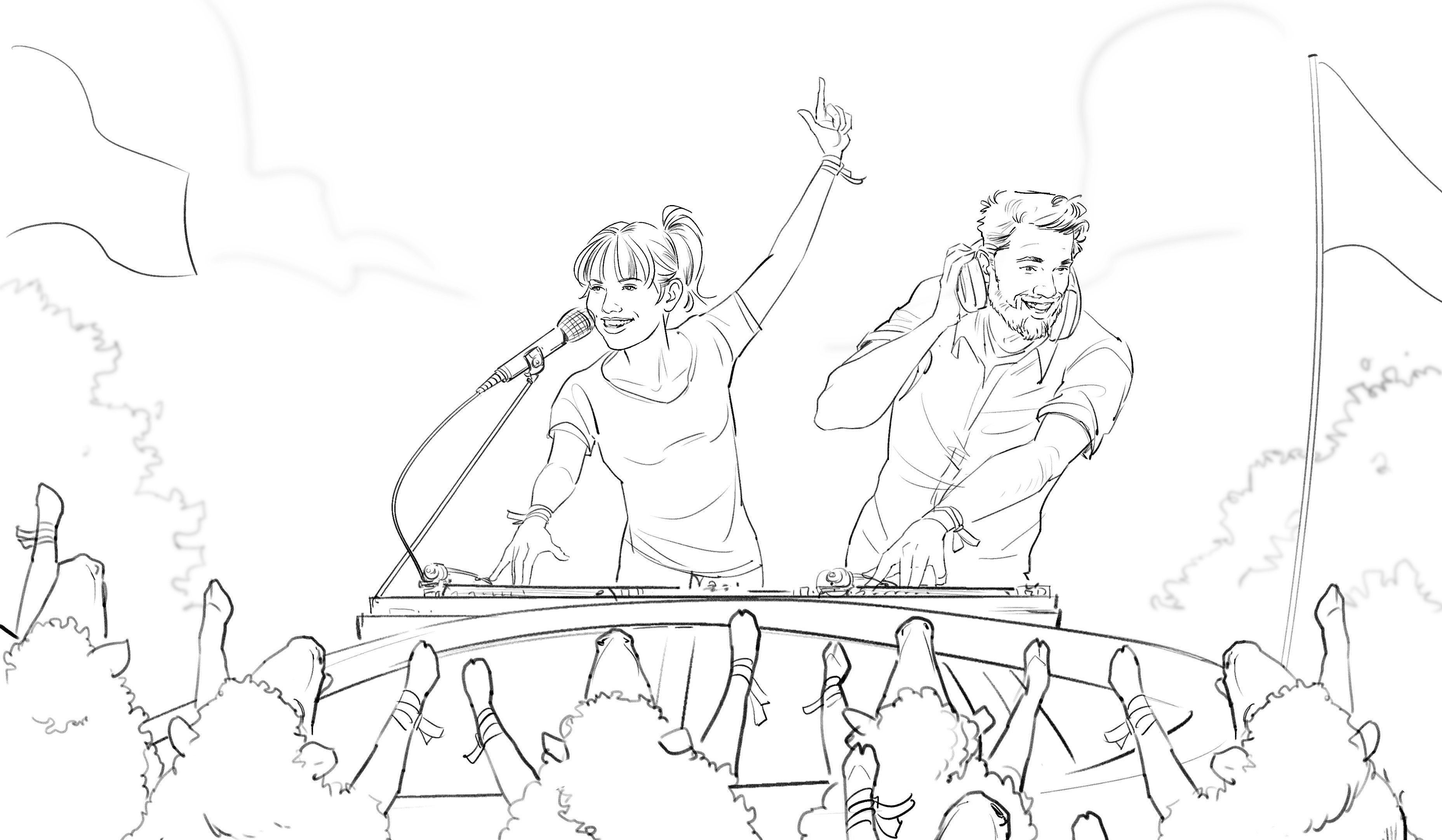
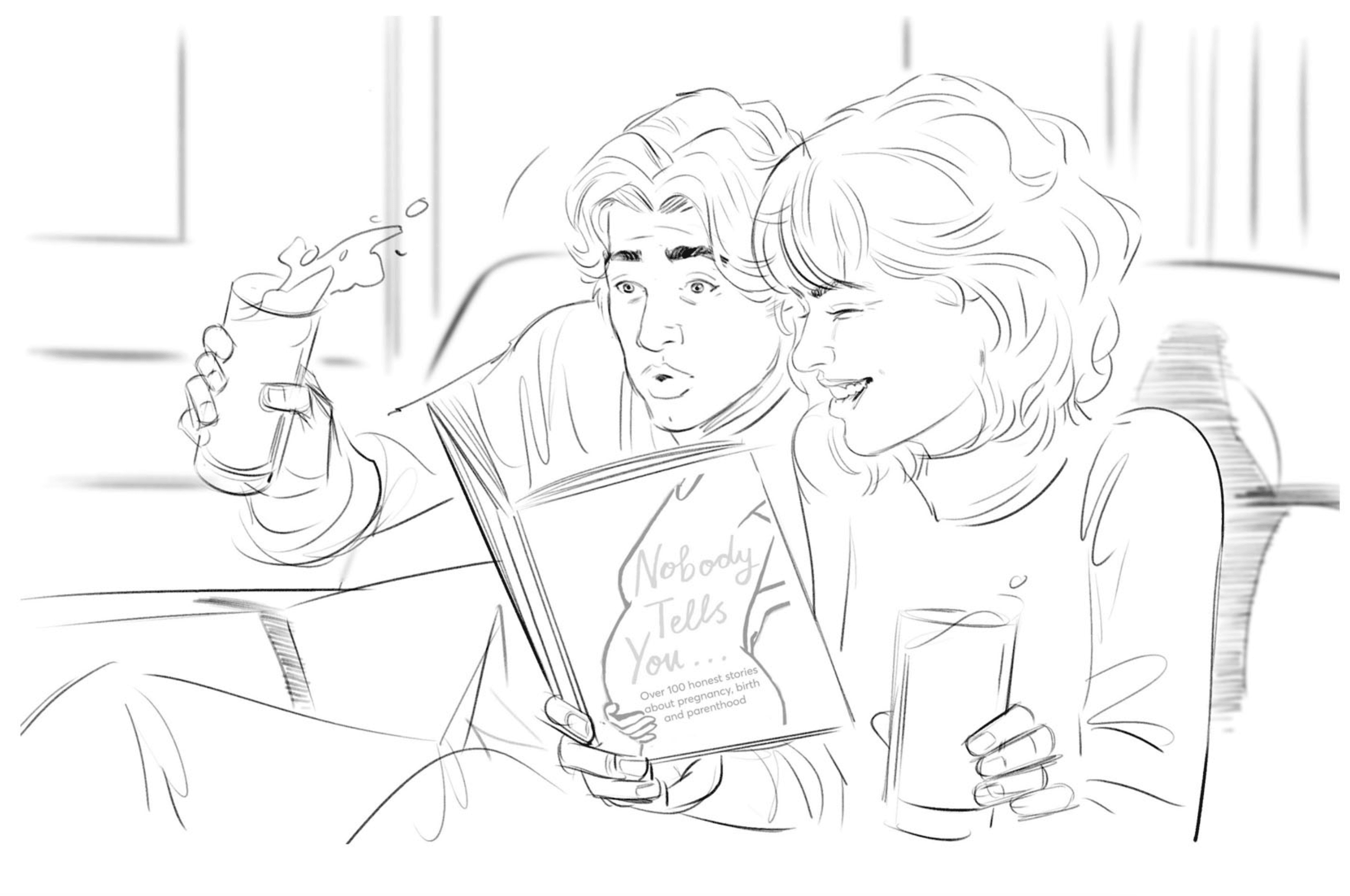
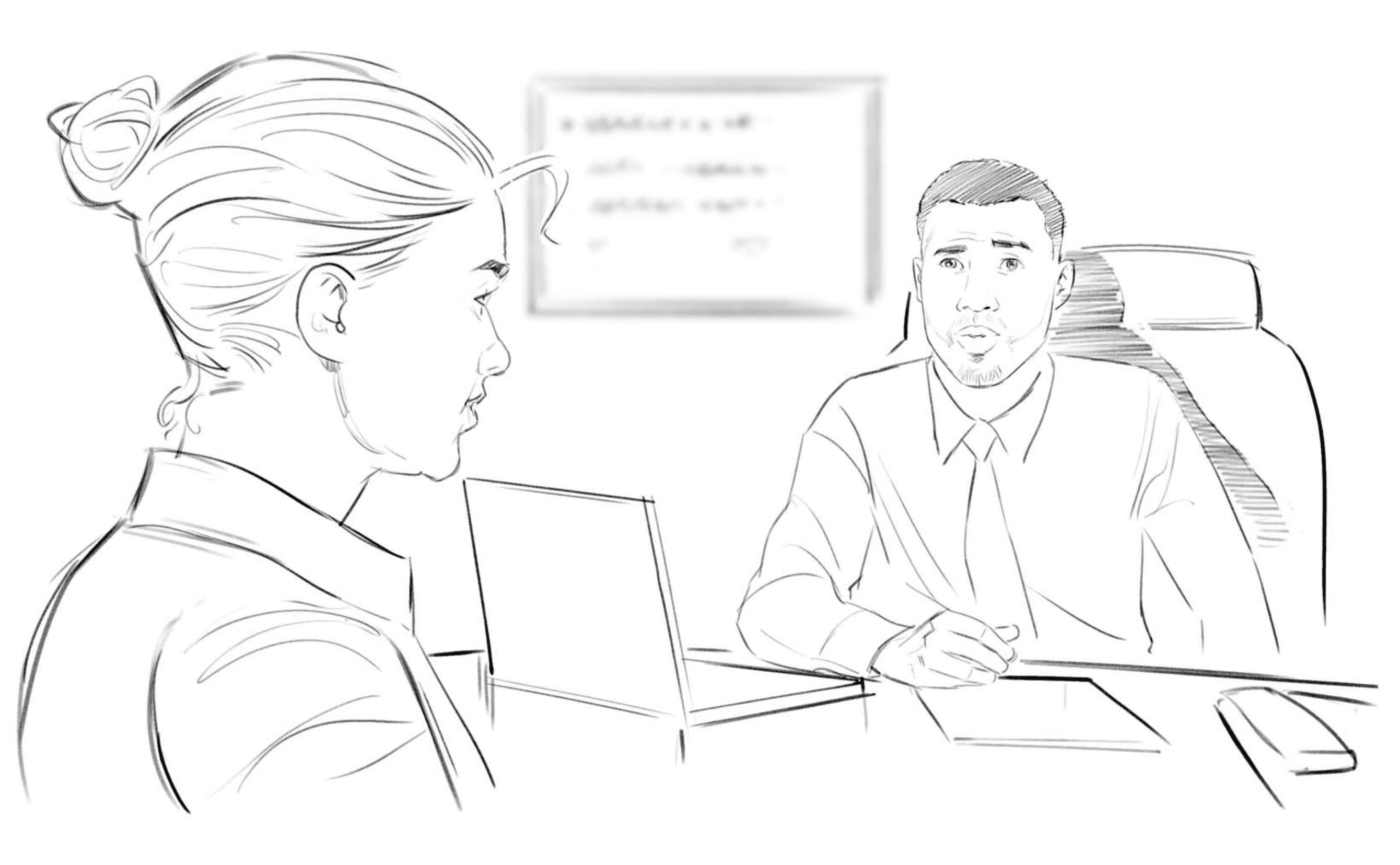
Above: Sketch stage from a recent project. See case study.
Below: Frames from various visualising projects. See more.
Let’s rewind quickly.
A couple of years ago, AI image tools turned up and everyone lost their minds. Suddenly you could type a sentence and get a picture in seconds. Storyboards in an afternoon! Whole campaigns visualised before lunch! It changed things. We get it. Visuals for research, testing and pitching are needed at breakneck speed, and we understand that in those circumstances AI might look like the perfect solution because it can generate quickly. But quickly doesn't mean right.
We use AI ourselves sometimes too, because when used well, it speeds production up and opens creative doors that weren't there before. BUT. Big but. There are clearly limitations. The honeymoon is ending, and we’re starting to see the repercussions.
There are two important parts in the storyboarding process - drawing and thinking. The drawing part requires skill, of course (and there are plenty of talented people out there with oodles of skill), but it is the thinking part that is overlooked in the AI process. We need to apply judgment and we need to ask questions: how many frames does this script need, which shots will really sell the idea, where does it need to breathe, and what does the client actually need to see to say yes?
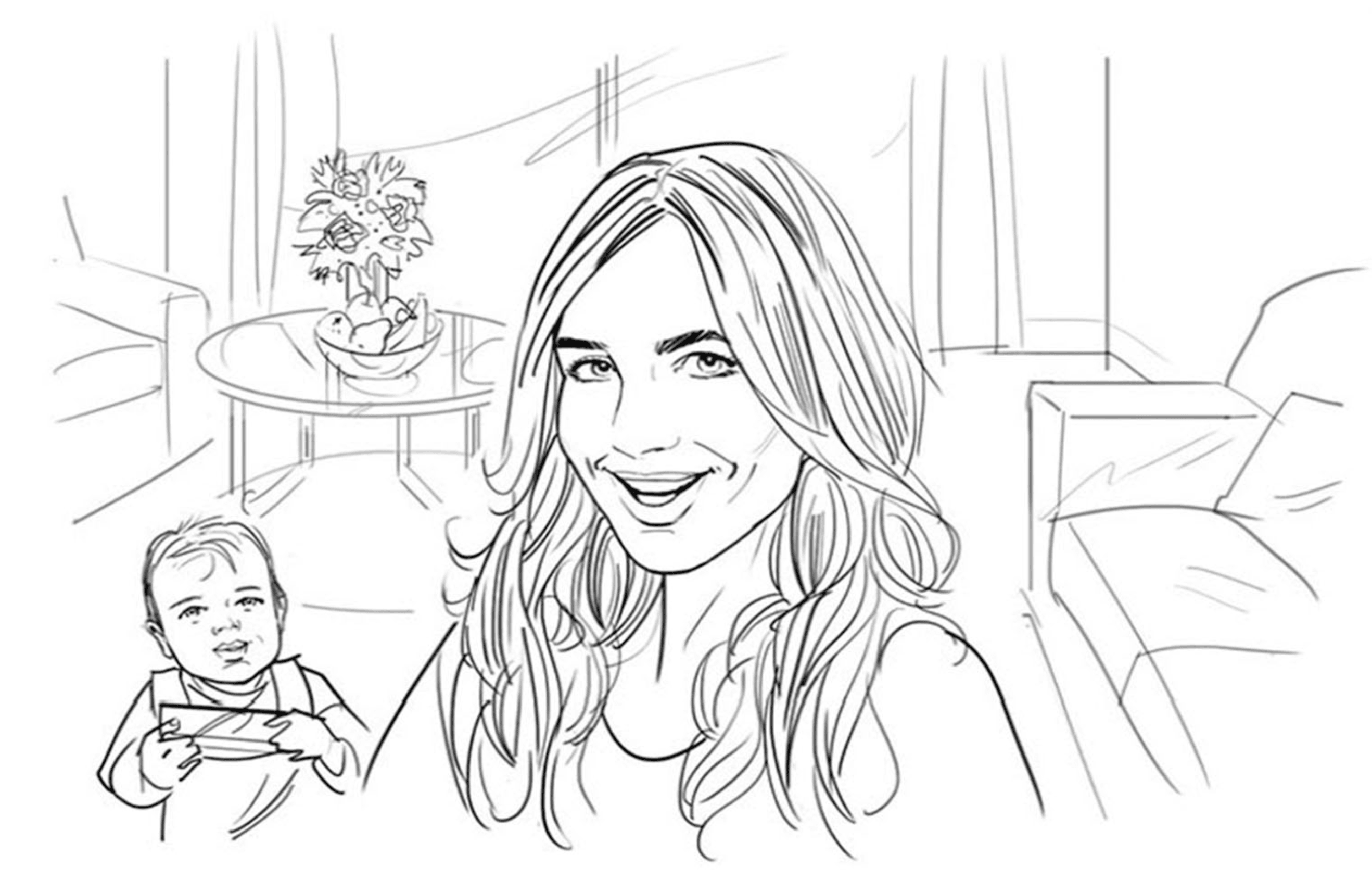
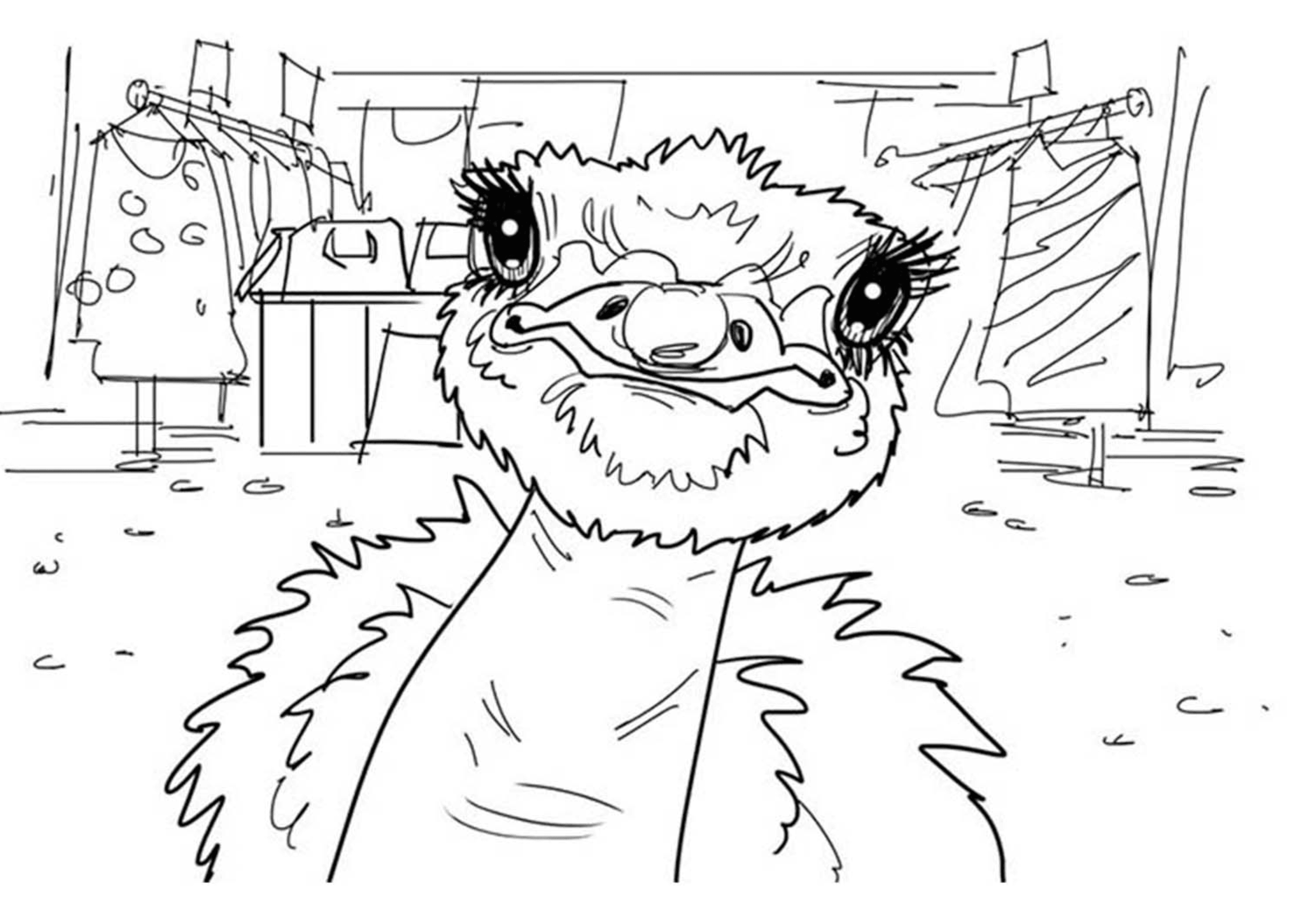
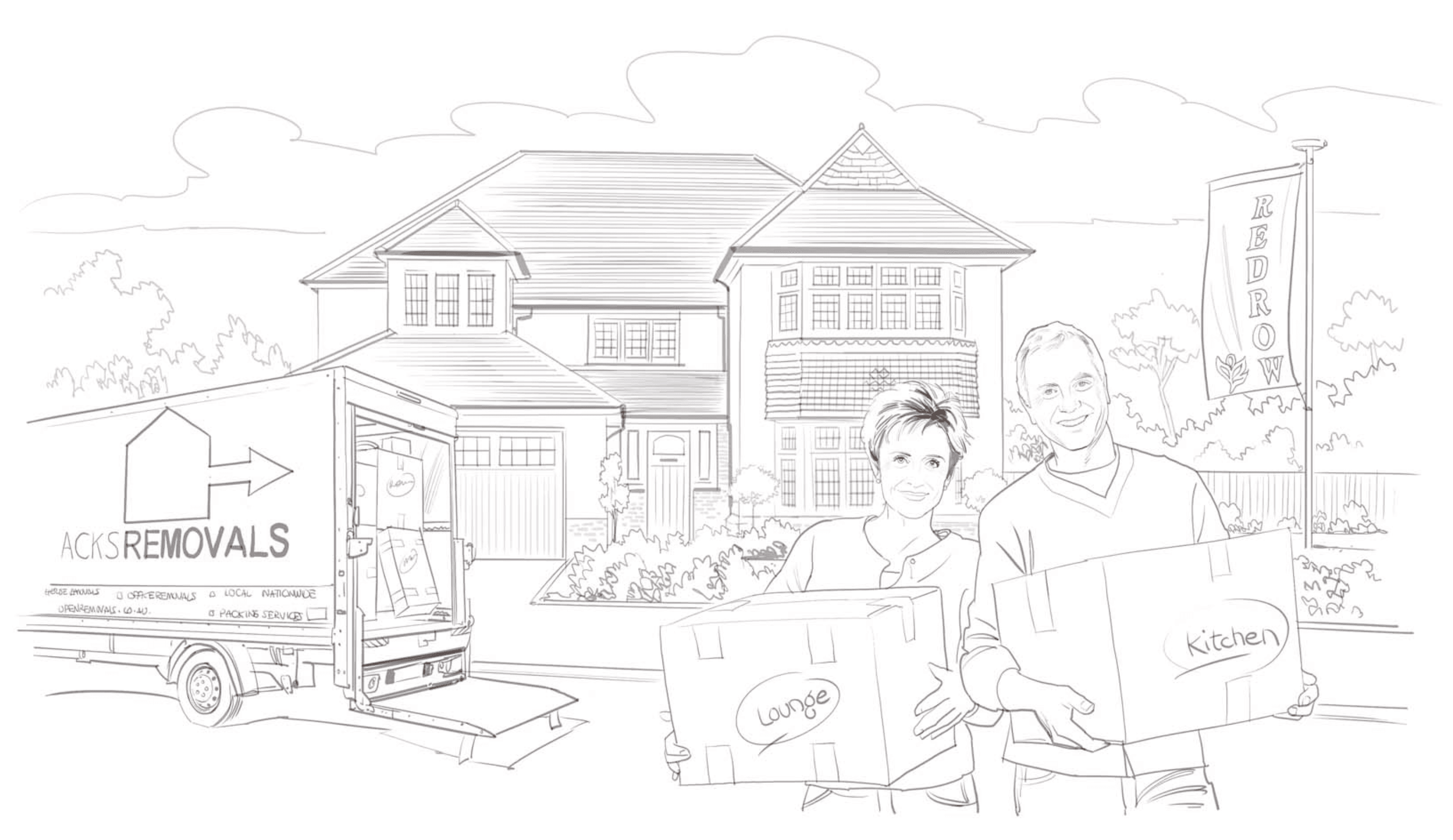
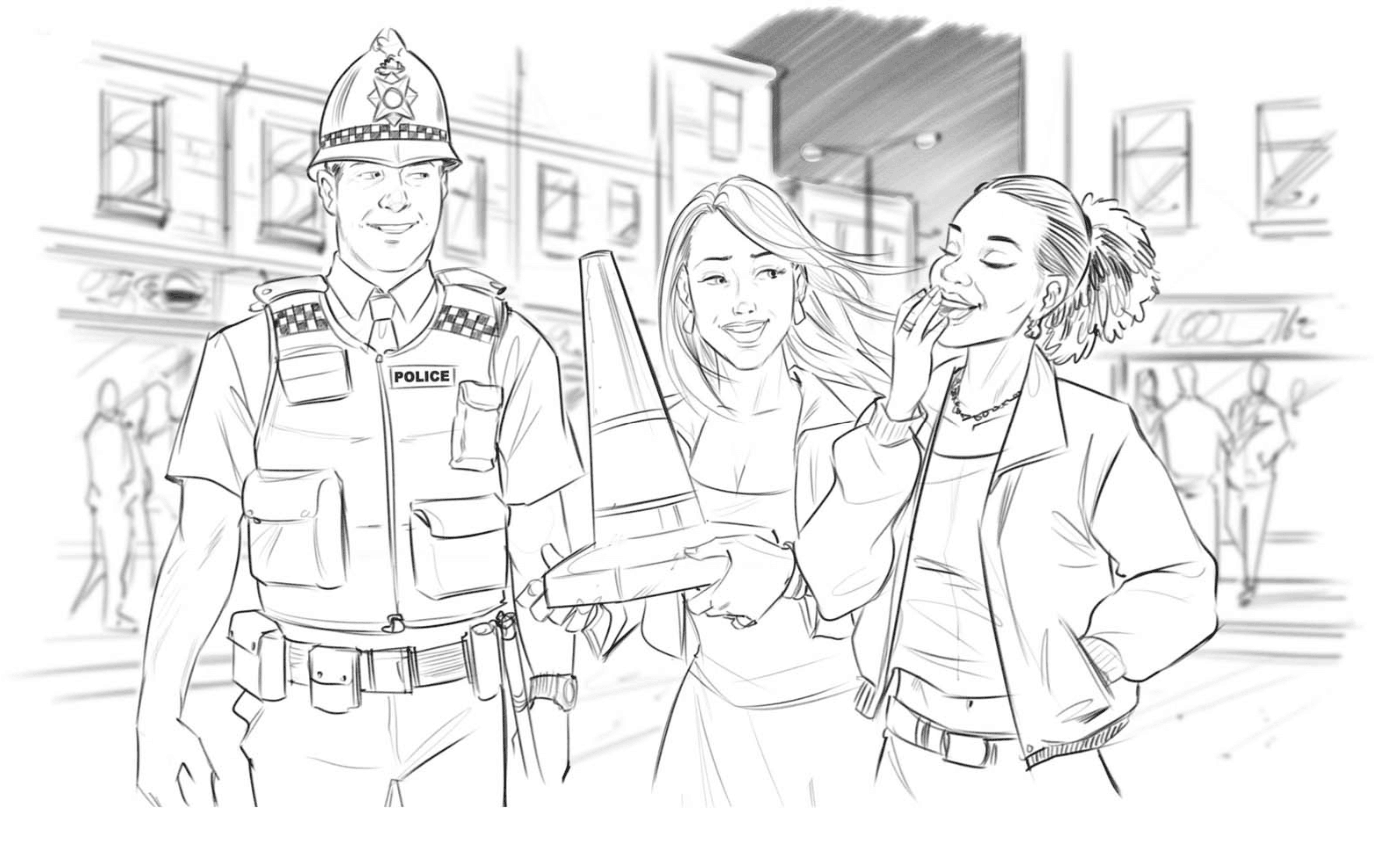
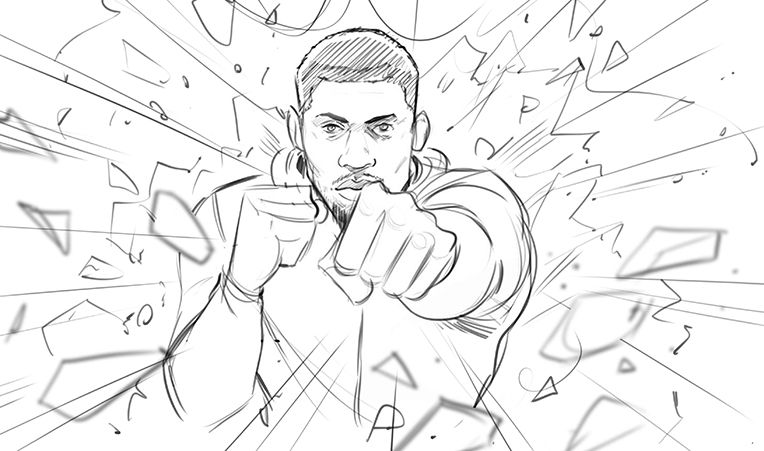
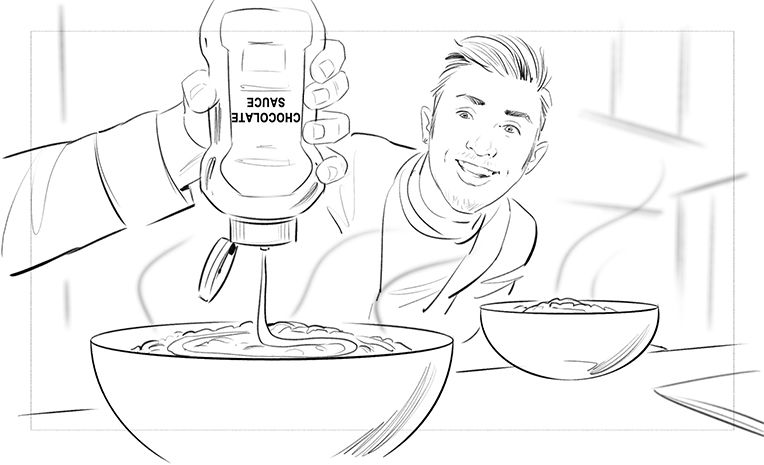
Above: Frames from various visualising projects. See more.
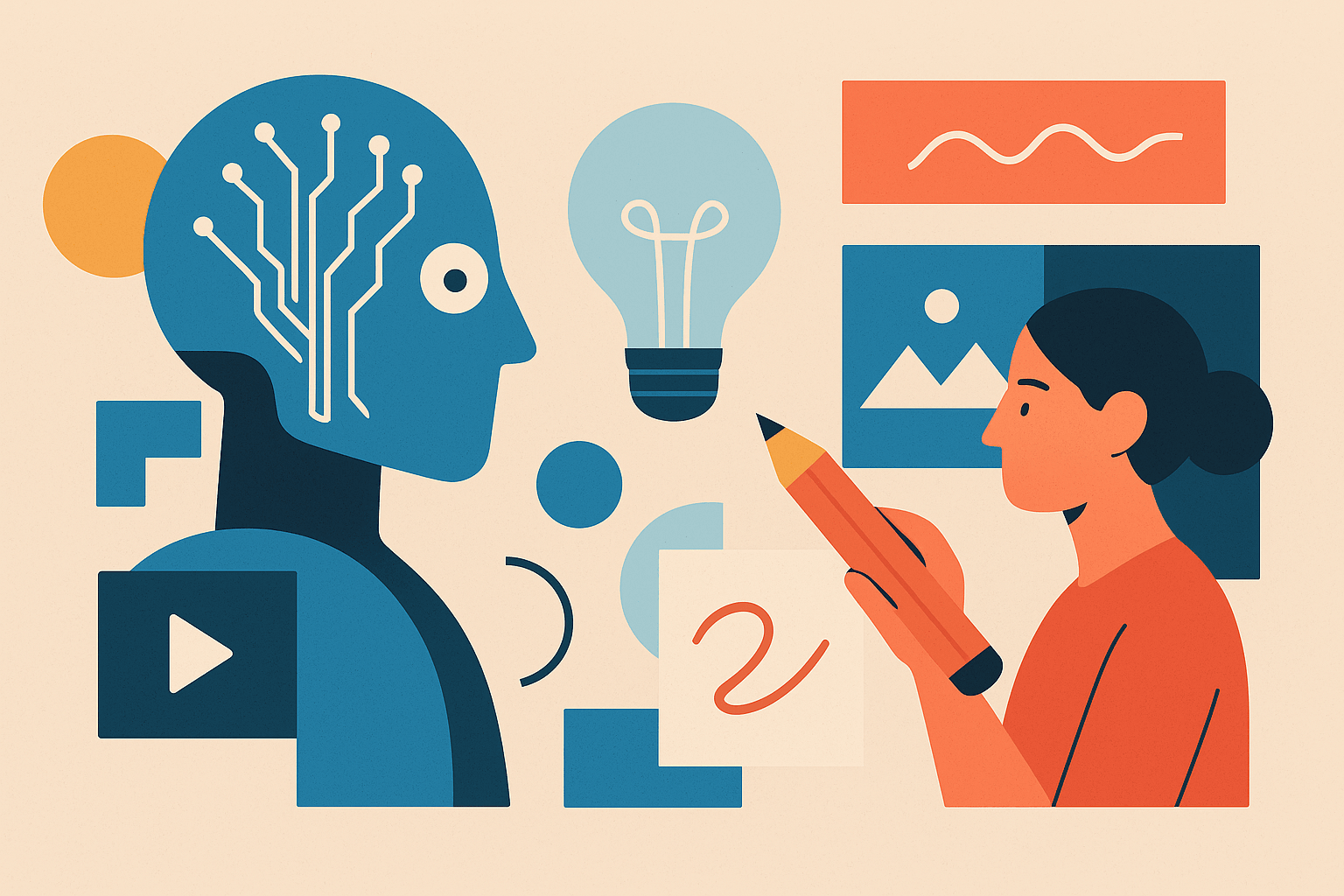
None of this is a rant against using AI tools. We're a creative consultancy enhanced by AI. For us, handcraft and raw human skill anchor the work, AI amplifies it, and 30 years of experience makes sure the whole thing is going in the right direction.
So, if you're in the middle of a project where the AI output is causing more headaches than you bargained for, you're in good company, and it's very fixable. We can pick things up wherever you’re at. We can redraw from scratch, rescue what's working, or start with clean scamps and build back up. Or, if you’re ready to start visualising a new idea, we can help set the process up with humans at the heart, so you’ll never need to send an SOS email.
Need a human?
There’s only room for a fraction of our portfolio online. If you’re after specifics, get in touch. We’ll create something just for you.
Get in touch